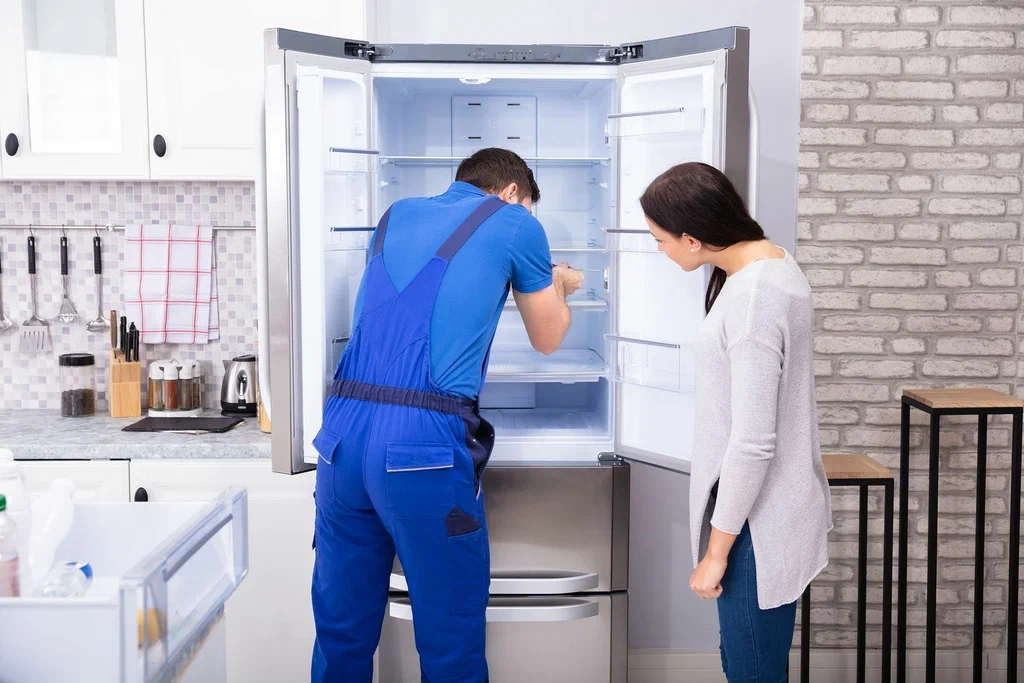

Typically a modern residential refrigerator averages 10 to 15 years (simple basic top freezer style 14-17 years, complex feature-rich units such as an integrated built-in smart fridge with two compressors for a traditional full-size unit 9-12 years) before you have to replace major components or the entire unit; instead, check for refrigerator repair. Atlas Appliance Repair helps homeowners diagnose refrigerator problems and keep their appliances running efficiently.
10 Tips to Prolong Refrigerator Repair Life
Save money on repairs and improve efficiency. To keep you from having to replace your refrigerator as soon as the compressor fails, you can:
- Clean condenser coils once a year.
- Ensure the door gasket seals.
- Keep food cold.
- Follow the 50-percent rule (if the repair costs more than half the cost of a new refrigerator and the refrigerator is over 8 years of age, replace the unit).
- Call a licensed appliance technician for sealed-system diagnostics and timely refrigerator repair.
How Long Does a Refrigerator Last by Model Type?
Some refrigerators do not age at the same rate. Device design, the complexity of the mechanism, and the load of parts significantly affect the life cycle of a product.
- Top-Freezer Refrigerators: Average refrigerator life expectancy is 14 to 17 years. These models tend to have simpler mechanics, single compressors, and fewer electronic control boards, which all contribute to a longer lifespan.
- Bottom-Freezer & French Door: 10 to 13 years. Slight mechanical concerns due to the inclusion of pull-out drawer glides, bottom-mount defrost cycles, and multi-zone temperature damper controls over time.
- Side-by-Side Refrigerators: 10 to 12 years. Features such as narrow compartments and airflow designs place additional strain on the evaporator fans and defrost heaters.
- Smart & Built-In Units: 9-12 years (electronic components) / 15+ years (built-in cabinets). Even the best compressor units are designed to run for a long time, but the digital sensors, Wi-Fi control boards, and screens generally need repairs sooner.
6 Signs a Refrigerator is Going Bad and Should Be Replaced
Catching a cooling or electrical issue early prevents emergency food loss and secondary kitchen water damage.
1. Food Spoiling Before Expiration Dates
The fresher the milk that sours or the softer the produce, the less stable your refrigerator is able to keep its interior temperature (37 to 40 degrees). This is a sign of failing compressor valves, broken thermostat sensors, or low refrigerant.
2. Excess Condensation or Frost Build-up
A constant trickle of condensation or thick ice formations inside of the freezer is a sign that the door gasket is faulty or the auto-defrost feature is malfunctioning. As a seal shrinks or tears, it allows warm room temperature air in and keeps the compressor running continually.
3. Extremely Hot Back Grid or Constantly Running Motor
A little heat on the outer back of the fridge is quite normal. However, if it gets unbearably hot on the back panel, your compressor is working far too hard. A constantly running motor is an overworked machine trying to sustain a basic temperature.
4. Loud Buzzing or Clicking Noises
The modern refrigerator runs at a very low decibel level. If you see that your refrigerator makes continuous loud buzzing sounds, clicks every few minutes, or grinds from its bottom, then it may have a faulty fan motor, a bad compressor start relay, or a compressor lock-up soon.
5. Water Collecting Under or Inside of Appliance
Water accumulation in crisper drawers or at the base of the door beneath the front grille is caused by frozen defrost drain tubes or cracked water line fittings to ice makers. Leaks left un-repaired turn the kitchen subfloor into mold.
6. High Energy Consumption and Unit Over 10 Years of Age
If you are still using a refrigerator that is more than ten years old, it is using more energy than it was designed to. Newer ENERGY STAR® models use much less electricity.

Quick Decision Checklist: Refrigerator vs. Replace
- If the refrigerator is under 8 years old and the repair cost is under $250, then choose to repair it. Replace a few basic items, such as an evaporator fan or door gasket or defrost timer.
- Age Greater Than 10 Years & Major Sealed-System Failure: A new compressor or an internal freon leak typically costs between $600 and $1,200—so a new unit with a full warranty is the better investment.
Why Hire Professionals for Refrigerator Repair and Replacement?
Working with appliance troubleshooting requires high-voltage electronics, refrigerant lines under pressure, and the structural portions of the appliances themselves, which are quite heavy to lift, ensuring reliable refrigerator maintenance tips.
- Certified Sealed-System Diagnostics: Licensed appliance technicians have the EPA-certified test equipment for diagnosing common refrigerator problems, detecting micro-refrigerant leaks, and measuring compressor electrical draw.
- Stop Water Damage to Your Home: Expert installers drill into the proper place in the supply line, attach braided stainless steel ice maker hoses, and level the legs to avoid floor damage and doors that don’t close properly.
- Lifting and maneuvering a 300 lb refrigerator requires equipment, expertise, and the disposal of refrigerants per environmental regulations to avoid scratching a hardwood floor and getting it past a door frame (removing doors).
How Refrigerator Placement Affects Cooling Performance
Where you position your refrigerator can make a difference in how efficiently it operates. Placing it next to an oven, dishwasher, or window with direct sunlight can expose the appliance to extra heat, making it work harder to maintain a consistent temperature. Leave enough space around the sides and back for proper airflow, and avoid blocking the refrigerator’s ventilation areas. These simple adjustments can support better cooling performance and reduce unnecessary strain on internal components. If your refrigerator continues to struggle, Appliance Repair Services in Spring, TX can help identify the issue.
Conclusion
The average quality home refrigerator will last 10 to 15 years. If you notice early warning signs, such as food decaying more quickly, the fridge motor constantly operating, high utility bills, or a funky buzzing sound, you can consider early replacement options before breakdown.
Regular maintenance (cleaning coils and seals), identification of major issues, and replacement of aging models by appliance experts contribute to a refrigerator’s survival for many years.
FAQs
1. How long should a refrigerator last?
A standard residential refrigerator lasts 10 to 15 years on average, depending on maintenance, usage habits, and model type.
2. Is it worth replacing a compressor on a 10-year-old fridge?
Generally no. Replacing a compressor on a 10-year-old unit typically costs between $600 and $1,200. Investing that money toward a new unit with modern energy efficiency and a fresh warranty is usually the smarter choice.
3. How can I extend the lifespan of my refrigerator?
Vacuum your condenser coils twice a year to remove dust, keep door gaskets clean and supple, maintain at least 2 to 3 inches of breathing room around exterior walls, and avoid overloading air vents inside the cabinet.
4. What is the most reliable style of refrigerator?
Top-freezer models are statistically the most reliable style, carrying lower repair rates and longer operational lifespans than complex multi-door units.
5. Why is my refrigerator running continuously?
A fridge runs constantly if condenser coils are caked with dust, door seals are damaged, the temperature control thermostat is failing, or the unit is low on refrigerant.